Scammed Online? What to Do Right Now (Step-by-Step)
If you’ve just realised you paid a fake website, typed your card or bank details into a phishing page, or sent money to someone who disappeared, the most important thing now is speed. The sooner you act, the better your chance of stopping the payment and protecting your accounts. Follow these steps in order.
Do these 3 things first
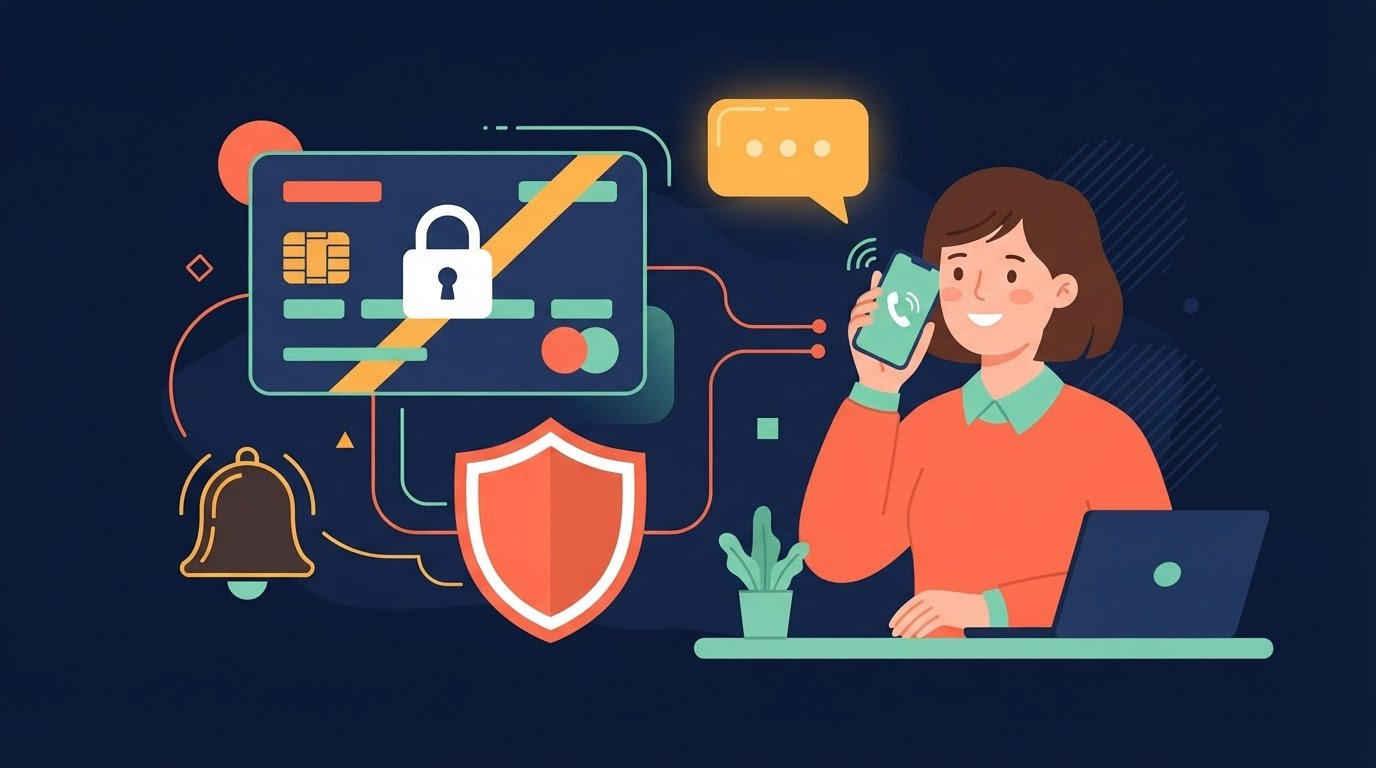
- Call your bank or card provider using the number on your card.
- Change the password of any account you entered on the site.
- Stop all contact with the scammer and don’t send any more money.
In the first hour
1. Contact your bank or payment provider
Call the number printed on your card or on the bank’s official website, not one from an email or text. Tell them you’ve been scammed and ask them to:
- block the card and issue a new one,
- stop or reverse the payment if it hasn’t gone through, and
- open a dispute or chargeback for card payments.
Paid with PayPal? Open a dispute in PayPal’s Resolution Center. Paid by bank transfer? Ask your bank to contact the receiving bank urgently. Transfers are harder to recover, but early action gives you the best chance.
2. Secure your accounts
If you typed a password on the fake site, change it now, and change it anywhere else you use the same password. Turn on two-step login for email, banking and social media. If you installed an app or gave someone remote access to your phone or computer, disconnect from the internet and remove the app.
3. Stop contact and don’t pay anything more
Scammers often come back asking for “customs fees”, “release charges” or “taxes” before you can get your order or your money. Every one of these is another part of the scam.
On the first day
4. Save the evidence
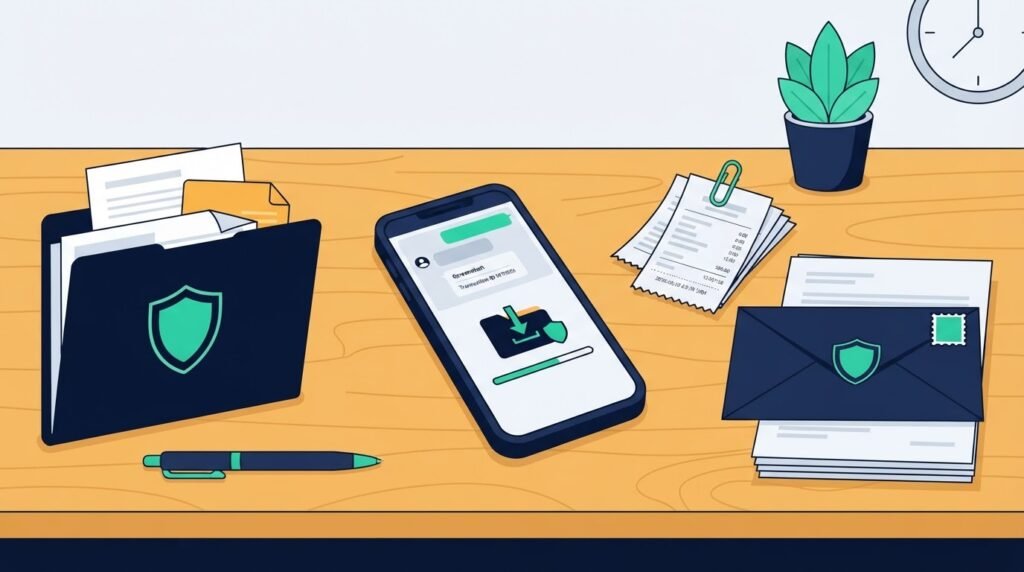
Before the website disappears, save screenshots of the site, the product page, your order confirmation, the ad that brought you there, all messages and emails, and your payment receipt or bank statement. Note the website address and the date and time of each payment. Your bank and the police will ask for this.
5. Report the scam
- To the authorities: report to your national fraud or cybercrime service. In the US, use reportfraud.ftc.gov, and IdentityTheft.gov if your personal details were stolen. In other countries, search for your national cybercrime reporting portal.
- To the platform: report the ad, page or seller on Facebook, Instagram, TikTok, WhatsApp or wherever you found them.
- To other shoppers: report the website on SosoVibe so people who check it later are warned.
In the weeks after
6. Watch your accounts
Check your bank and card statements for payments you don’t recognise. If your ID documents were shared, ask your bank whether you should add extra protection to your accounts.
7. Beware of “recovery” scams
People who have been scammed are often contacted by someone offering to get their money back for a fee: a “recovery agent”, a “lawyer” or even someone pretending to be from the police. Legitimate authorities don’t charge you to recover stolen money. Anyone who asks for an upfront fee to recover funds is running a second scam.
How likely am I to get my money back?
| How you paid | Chance of getting money back | What to do |
|---|---|---|
| Credit or debit card | Often possible | Ask your card provider for a chargeback quickly |
| PayPal (goods and services) | Often possible | Open a dispute in the Resolution Center |
| Bank transfer | Harder | Call your bank immediately; speed matters |
| Crypto, gift cards, cash apps | Very hard | Report anyway; it helps investigations and warns others |
It’s not your fault
Scams are designed by professionals to fool careful people. Reporting what happened, even if you feel embarrassed, is one of the most useful things you can do: it helps banks, platforms and other shoppers stop the same people.
Avoid it next time
Before you pay a website you don’t know, run it through our 12-point legit check and learn the warning signs of a fake online store.
Frequently asked questions
Can I get my money back if I was scammed online?
Sometimes. Card and PayPal payments can often be disputed, especially if you act quickly. Bank transfers, crypto and gift cards are much harder to recover.
Should I tell the scammer I’m reporting them?
No. Stop all contact, save the evidence and report them. Messaging them can lead to threats or more pressure to pay.
What if I only entered my card details but didn’t pay?
Treat it as if the card is stolen. Call your bank, block the card and ask for a new one.